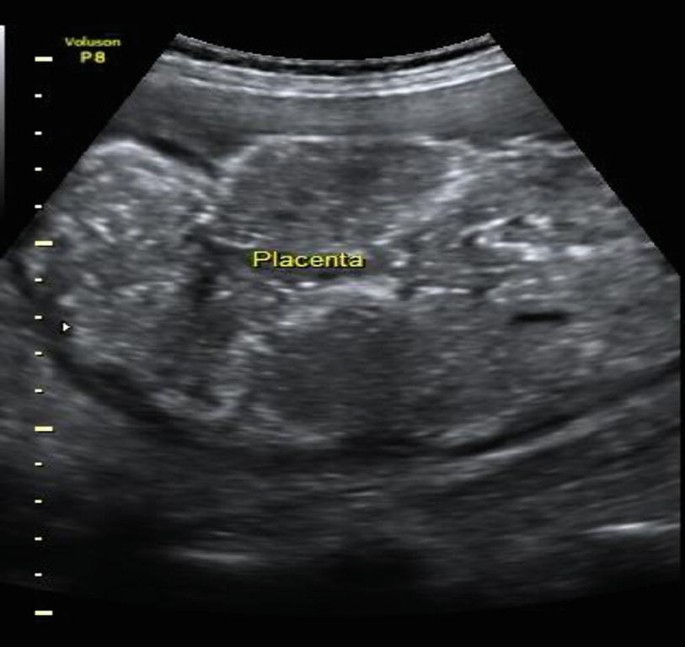
Post Term Pregnancy and Fetal Macrosomia Causes Risks Diagnosis and Management
Below is a **SEO-friendly, exam-oriented, and clinically complete guide** on **Post-Term Pregnancy and Fetal Macrosomia**, written in clear **H1–H3 structure** and optimized for medical websites.
---
## **SEO Title**
**Post Term Pregnancy and Fetal Macrosomia Clinical Guide 2025**
---
## **SEO Meta Description**
Comprehensive medical guide on post term pregnancy and fetal macrosomia covering definition, causes, risks, diagnosis, management, induction of labor, complications, and prevention for obstetric practice and exams.
---
## **SEO Keywords**
post term pregnancy, postdated pregnancy management, fetal macrosomia, macrosomia causes, post term pregnancy complications, induction of labor post term, macrosomic baby risks, shoulder dystocia, large for gestational age fetus, obstetrics clinical guide
---
# **Post Term Pregnancy and Fetal Macrosomia**
## **1. Post Term Pregnancy**
### **Definition**
Post term pregnancy is defined as a pregnancy that **extends beyond 42 completed weeks (≥294 days)** from the first day of the last menstrual period.
---
### **Classification**
* **Late term:** 41⁰–41⁶ weeks
* **Post term:** ≥42⁰ weeks
---
### **Etiology and Risk Factors**
* Incorrect dating of pregnancy
* Primigravida
* Previous post term pregnancy
* Male fetus
* Maternal obesity
* Genetic factors
---
### **Pathophysiology**
* Progressive **placental aging and insufficiency**
* Reduced uteroplacental perfusion
* Oligohydramnios
* Increased risk of fetal hypoxia
---
### **Maternal Complications**
* Prolonged labor
* Increased operative delivery
* Perineal trauma
* Postpartum hemorrhage
* Infection
---
### **Fetal and Neonatal Complications**
* Macrosomia
* Meconium aspiration syndrome
* Shoulder dystocia
* Birth asphyxia
* Stillbirth
* Postmaturity syndrome (dry, peeling skin, decreased fat)
---
### **Diagnosis**
* Accurate gestational age assessment (early ultrasound)
* Fundal height
* Ultrasound for:
* Amniotic fluid index (AFI)
* Estimated fetal weight
* Fetal surveillance:
* Non-stress test (NST)
* Biophysical profile (BPP)
---
### **Management**
* **41 weeks:** Begin antenatal surveillance
* **≥41–42 weeks:** Induction of labor
* **Cervical ripening:** Prostaglandins or Foley catheter
* **Cesarean section:** If failed induction or fetal distress
---
## **2. Fetal Macrosomia**
### **Definition**
Fetal macrosomia refers to a fetus with **birth weight ≥4,000 g** (some definitions use ≥4,500 g), irrespective of gestational age.
---
### **Risk Factors**
* Maternal diabetes (gestational or pregestational)
* Post term pregnancy
* Maternal obesity
* Excessive gestational weight gain
* Multiparity
* Previous macrosomic infant
* Male fetus
---
### **Pathophysiology**
* Maternal hyperglycemia → fetal hyperinsulinemia
* Increased fat deposition and organ enlargement
* Disproportionate growth of shoulders and trunk
---
### **Maternal Complications**
* Prolonged labor
* Operative vaginal delivery
* Cesarean section
* Postpartum hemorrhage
* Genital tract injuries
---
### **Fetal and Neonatal Complications**
* Shoulder dystocia
* Brachial plexus injury
* Clavicle fracture
* Birth asphyxia
* Neonatal hypoglycemia
* Childhood obesity and metabolic syndrome
---
### **Diagnosis**
* Clinical assessment (fundal height, Leopold maneuvers)
* Ultrasound estimated fetal weight (EFW)
* Limitations: ±10–15% error in late pregnancy
---
### **Management**
* **Antenatal**
* Optimize glycemic control
* Monitor fetal growth
* **Intrapartum**
* Trial of labor if EFW <4,500 g (non-diabetic)
* Elective cesarean if:
* EFW ≥4,500 g (diabetic mother)
* EFW ≥5,000 g (non-diabetic)
* **Preparedness**
* Anticipate shoulder dystocia
* Skilled birth attendants
---
## **3. Relationship Between Post Term Pregnancy and Macrosomia**
* Prolonged gestation allows continued fetal growth
* Increased risk of large for gestational age fetus
* Higher rates of operative delivery and birth trauma
* Combined risk increases perinatal morbidity
---
## **4. Prevention Strategies**
* Accurate pregnancy dating (first-trimester ultrasound)
* Timely induction at 41 weeks
* Optimal maternal weight and glucose control
* Regular antenatal follow-up
---
## **5. Key Clinical Pearls**
* Post term pregnancy significantly increases perinatal mortality
* Macrosomia cannot be diagnosed with certainty antenatally
* Induction at 41 weeks reduces stillbirth risk
* Shoulder dystocia is the most feared complication of macrosomia
---
If you want, I can next:
* **Generate exam-oriented MCQs (HTML CSS JS single file)**
* **Create FAQ schema for SEO**
* **Generate medical illustrations**
* **Convert this into a publish-ready SEO article page**